Cuatro · Mediaset España · 7 agosto 2025
National TV report on the drone life vest deployment system operating on the beaches of Fuengirola.
Watch the report on Cuatro.com →Aerial deployment of inflatable life vests from drone platforms over the beaches of Fuengirola and Mijas, cutting maritime rescue response time from minutes to seconds. Covered by Cuatro, Telecinco, COPE and Canal Sur.
National TV report on the drone life vest deployment system operating on the beaches of Fuengirola.
Watch the report on Cuatro.com →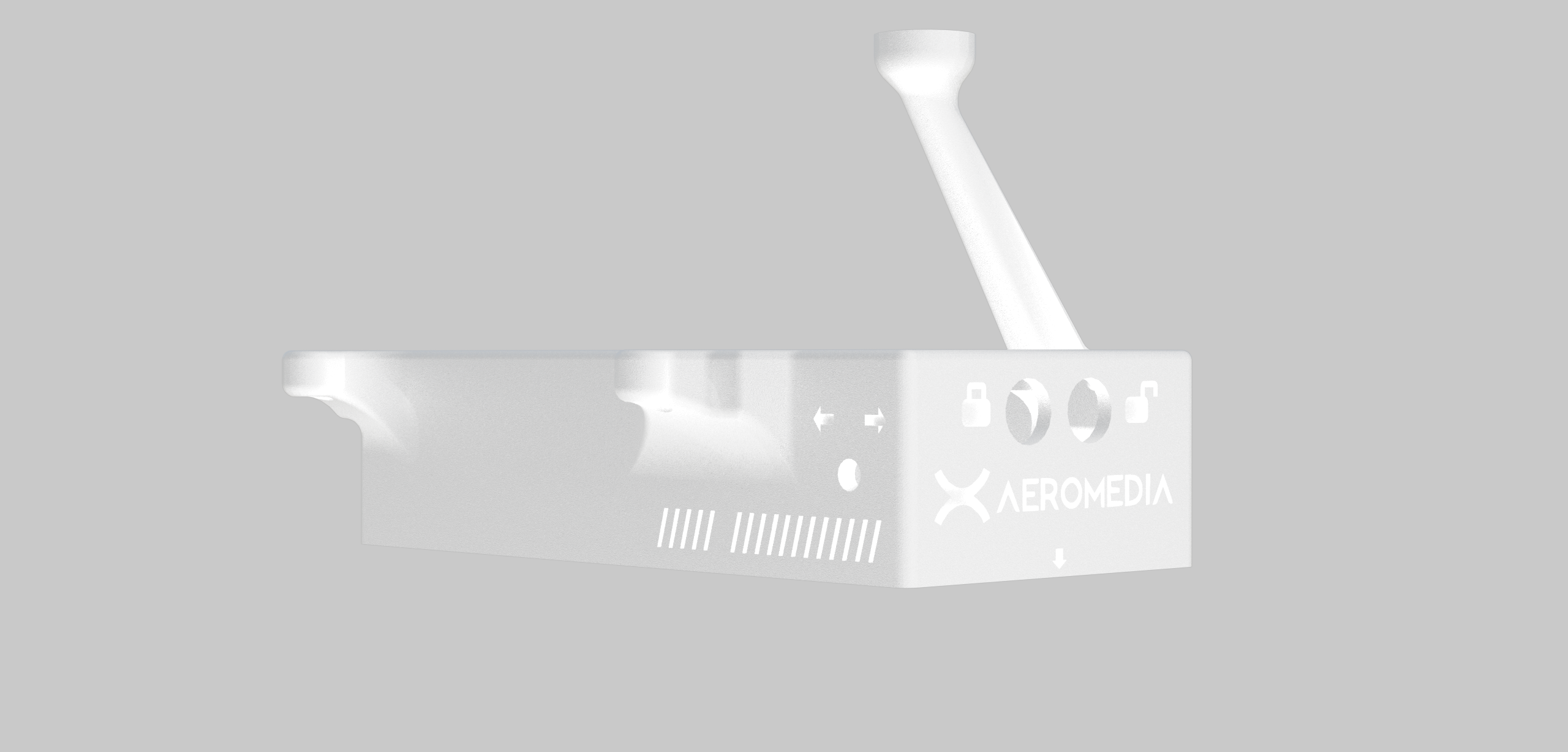
Developed in collaboration with AEROMEDIA, this system deploys an inflatable life vest from a drone directly to a swimmer in distress, before a human lifeguard could physically reach them.
Traditional rescue requires a lifeguard to swim out, which in rough surf can take 3 to 5 critical minutes. This system puts a flotation device in the hands of a drowning person in under 10 seconds of flight, at ranges up to 800 m offshore.
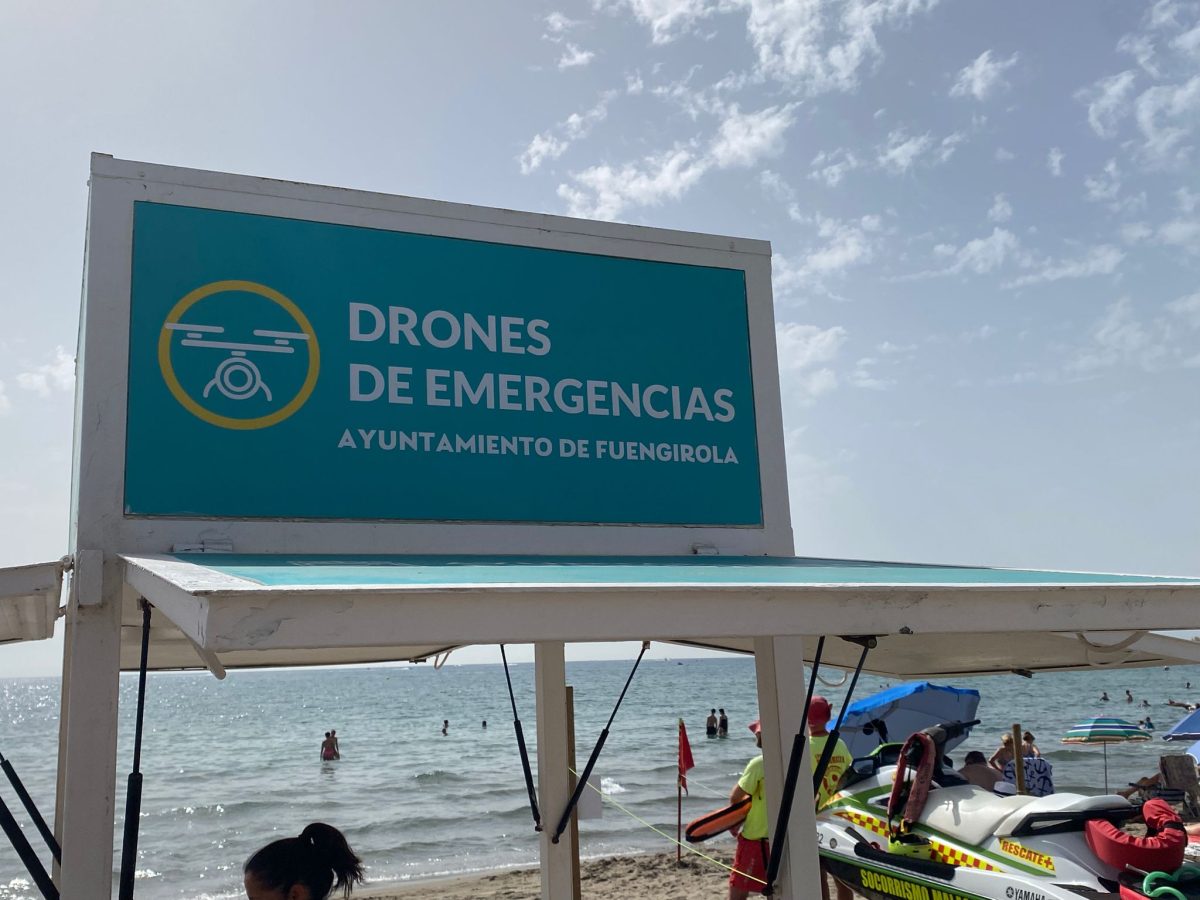
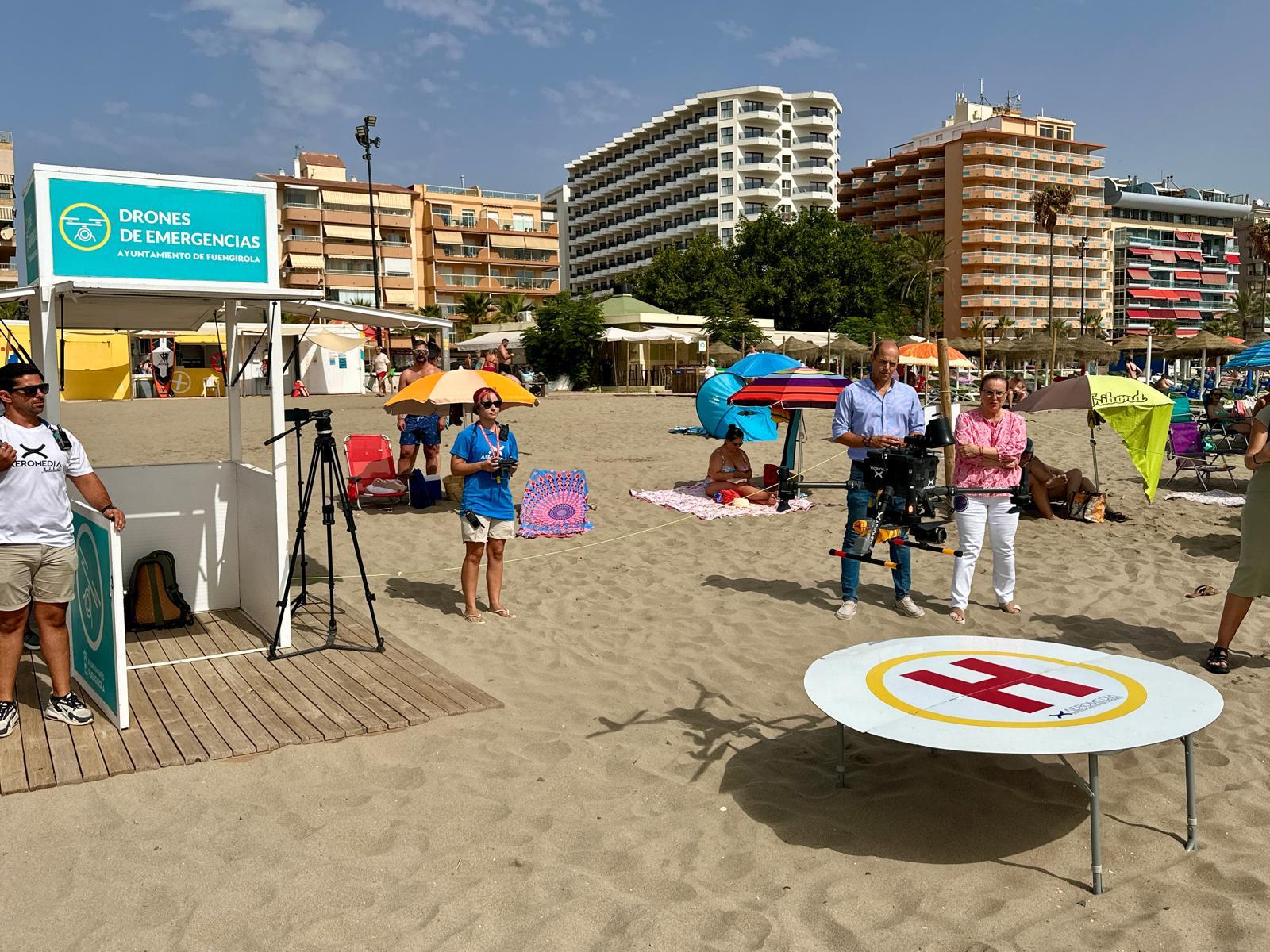
Active in Fuengirola and Mijas since 2023 in collaboration with AEROMEDIA. The fleet covers the full coastline with four drones in continuous service through summer.
In summer 2025 the system drew national television coverage with reports on Cuatro and Telecinco, plus radio coverage on COPE and a feature on Canal Sur, recognising the operational role of drone based rescue on the Costa del Sol.
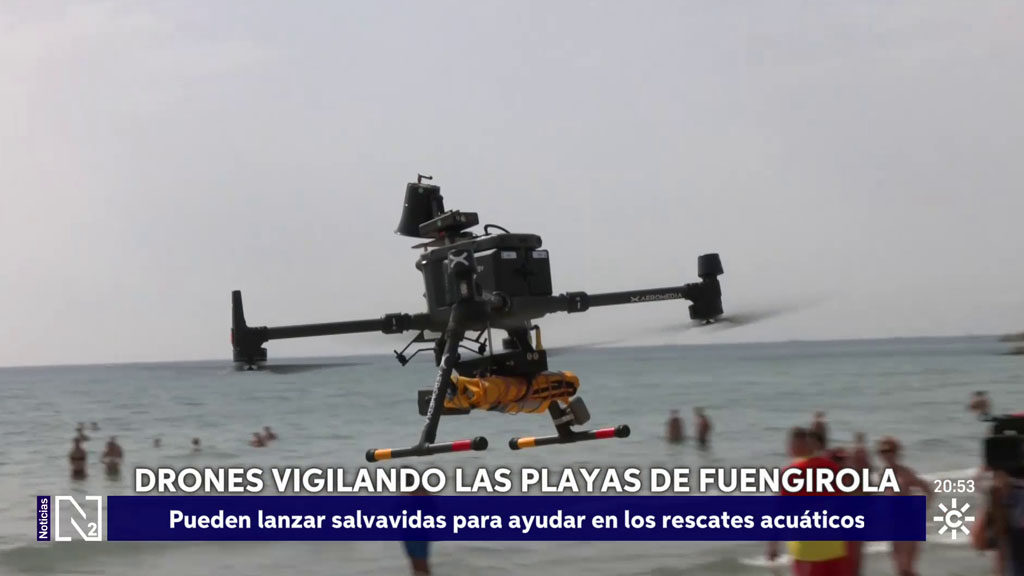
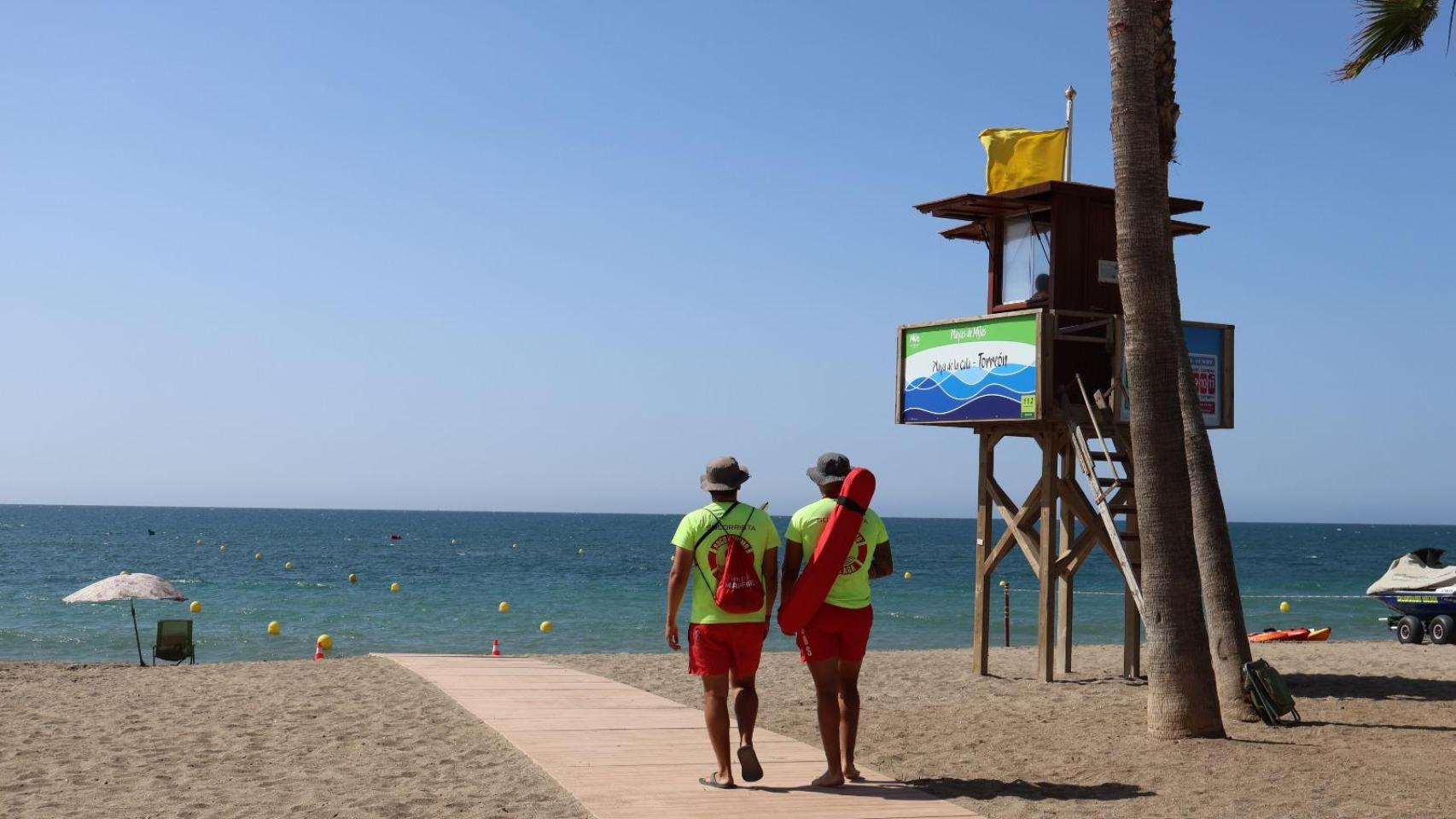
Reporter Patricia Palacios covered the system in operation, including footage of the drone deploying inflatable vests during a live intervention.
Read on Cuatro.com →Telecinco reported on how the drone surveillance system works as a life saving complement to traditional lifeguard services, emphasizing the system's rapid deployment capability.
Read on Telecinco.es →Reportaje de Noticias 2 sobre la flota de cuatro drones AEROMEDIA que vigila el litoral de Fuengirola. Imágenes en directo del dron sobre la playa lanzando salvavidas durante una intervención.
Ver en Canal Sur →COPE covered the expansion of the drone program as a first of its kind initiative in Andalucía, interviewing local authorities about the safety improvements achieved.
Read on COPE.es →Detailed breakdown of how the system operates on Fuengirola's coastline, including response procedures, equipment specs, and statistics from the 2025 summer season.
Read article →Official municipal report: 2,600+ missions, 361 flight hours, and 4 rescues in a single two month period. 54 lifeguards supported by 4 aerial units covering all municipal beaches.
Official report →Drone operators monitor the full coastline via HD camera feeds. A swimmer in distress is identified visually or flagged by lifeguards on the ground.
The drone activates and is airborne within 10 seconds. Four units cover all Fuengirola beaches simultaneously, 11:00 to 20:00 every summer day.
Flying at speed towards the GPS confirmed position, the drone reaches a person 200 to 800 m offshore in seconds, before a lifeguard could physically arrive.
A single command releases the self inflating life vest. It inflates in 2 seconds on water contact, keeping the swimmer afloat until the rescue team arrives by jet ski.
"Fuengirola fue de las primeras en incorporar los drones para la seguridad en las playas, y ocho años después sigue siendo un referente de innovación a nivel nacional." Ana María Mula, Alcaldesa de Fuengirola